
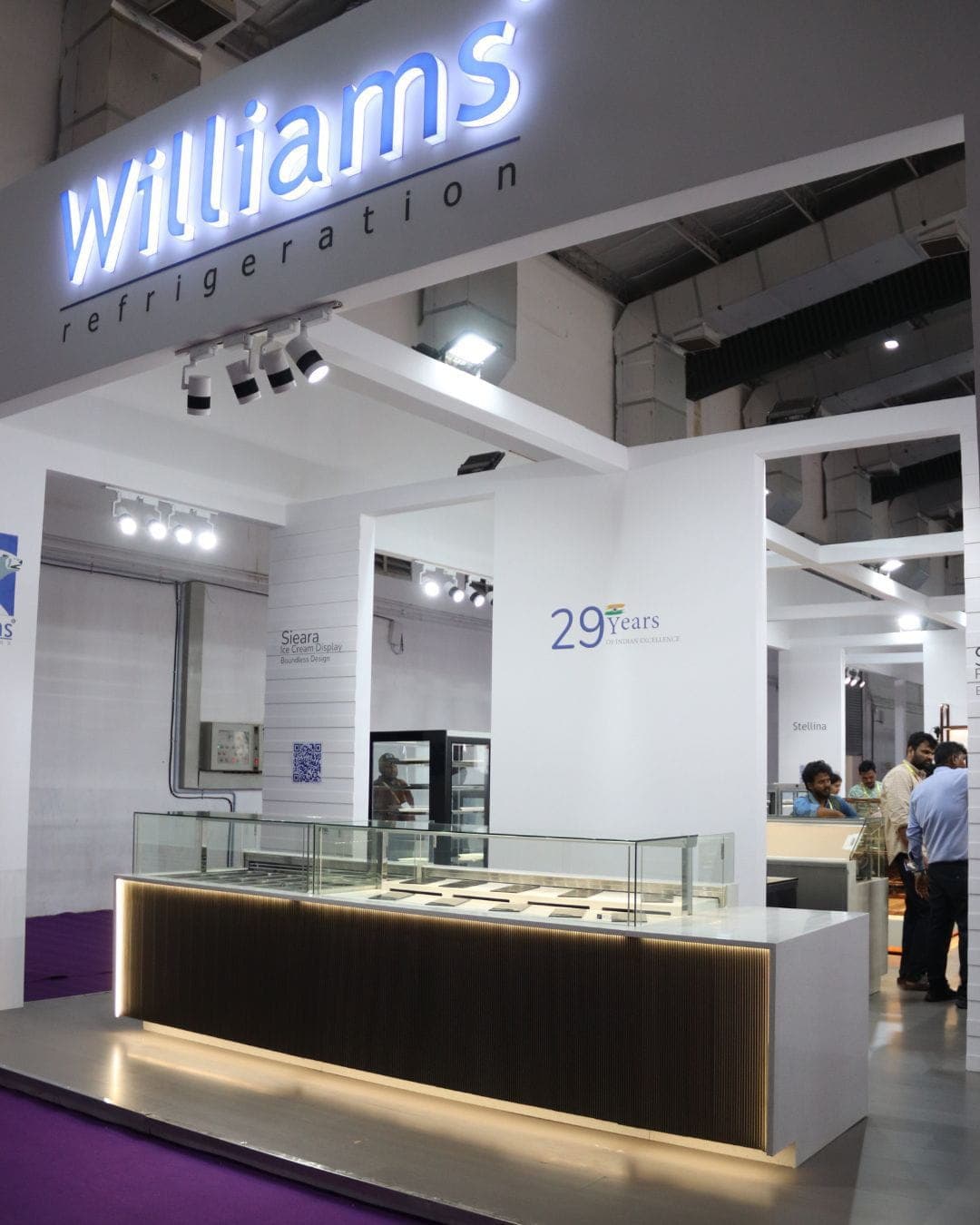
The global food and beverage industry—including cafés, bakeries, patisseries, sweet shops, ice cream parlours, restaurants offering prepared food, food courts, and office cafeterias—is transforming.
This shift is driven by evolving consumer behaviour, technological advancements, and changing lifestyle trends, leading to innovative changes across these sectors, including in refrigeration technology.
Market insights
As of 2023, the market for food and beverage establishments, including cafés and similar outlets, is valued at USD 100 billion. With a projected growth at a CAGR of 6.84 percent, it is set to reach USD 174.9 billion by 2030.
This market, which includes businesses that prepare and serve coffee, tea, baked goods, and light snacks for on-site consumption or takeaway, is not just growing, but thriving. Additionally, there’s a rising trend where establishments traditionally focused on one category (e.g., a bakery) are now expanding to offer a wider array of options, like beverages, ice creams, food options to cater to changing customer demands.
These establishments often provide a cosy and inviting environment for customers to socialise, work, or relax. The significant growth in this market is driven by urbanisation, increased disposable incomes, and the growing popularity of specialty foods and artisanal beverages. Urban centres, in particular, see an increased demand for comfortable spaces where people can gather and interact.
India’s food and beverage market
In India, the food and beverage market, including cafés, bakeries, etc., is estimated to grow from USD 17.54 billion in 2024 to USD 26.17 billion by 2029, reflecting a CAGR of 8.33 percent. This growth is fuelled by factors similar to those of the global market, with an added emphasis on urbanisation, rising disposable incomes, and shifting consumer lifestyles.
Key trends shaping the industry
- •Demand for specialty offerings: The demand for high-quality specialty coffee, tea, pastries, and artisanal goods is growing rapidly. Consumers are more than ever willing to pay a premium for unique flavours, artisanal brewing methods, and ethically sourced ingredients.
- •Sustainability and eco-friendly practices: Consumers are becoming more environmentally conscious and prefer establishments that follow sustainable practices – using biodegradable packaging, energy-efficient appliances, and sustainably sourced ingredients.
- •Technology integration: Technology is not just playing an increasingly important role in food and beverage establishments; it is revolutionising them. From digital payment systems to temperature-controlled displays and automated inventory management, businesses are incorporating technology to enhance the customer experience.
- •Health-conscious offerings: With a growing focus on health and wellness, establishments are expanding their menu offerings to include healthier options, such as plant-based milk, low-sugar beverages, and organic ingredients.
- •Versatile menus: Evolution in consumer behaviour drives the need for finding a diverse range of food and drink options within a single establishment. This drives the need for versatile and adaptable refrigeration solutions.
Influence on refrigeration technology
These trends are significantly influencing refrigeration technology. As food and beverage establishments adapt to meet modern consumer demands, their refrigeration systems must evolve to support these changes.
Energy Efficiency
Investing in refrigeration solutions that reduce energy consumption and lower operating costs with variable-speed compressors and LED lighting.
Versatile Solutions
Adopting modular refrigeration systems that offer flexibility in temperature control and adjustable shelving systems.
Food Safety & Hygiene
Advanced systems with precise temperature control and self-cleaning mechanisms to ensure optimal storage conditions.
Customization
Sleek designs and transparent doors that blend seamlessly with the establishment’s interior décor and brand identity.
Conclusion
The food and beverage industry is seeking significant evolution in response to changing consumer preferences and technological advancements. These shifts profoundly impact refrigeration technology, highlighting the need for energy efficiency, versatility, smart technology integration, and customization.
Companies like ours are leading this change, offering versatile refrigeration solutions through partnerships with the world’s best. These solutions are designed to adapt to the industry’s evolving needs.
Additionally, the growing focus on sustainability within the industry is influencing the transition of displays to eco-friendly refrigerants like R290, implementing energy-efficient lighting, and extending the lifespan of displays through comprehensive maintenance.